Vacuum Casting (also known as Polyurethane Casting or Urethane Casting) is a low-volume manufacturing technology used to produce high-quality, production-grade plastic and rubber components.
The process uses a 3D-printed master model to create a flexible silicone mold. Liquid polyurethane or silicone resin is then poured into the mold under a vacuum, eliminating air bubbles and ensuring precise surface detail and mechanical accuracy.
The Vacuum Casting Process
Master Model Creation
A master model is created using high-precision 3D printing (Typically SLA or PolyJet) or CNC machining. The model is hand-finished and polished to achieve the desired surface texture (glossy, matte, or textured).
Silicone Mold Making
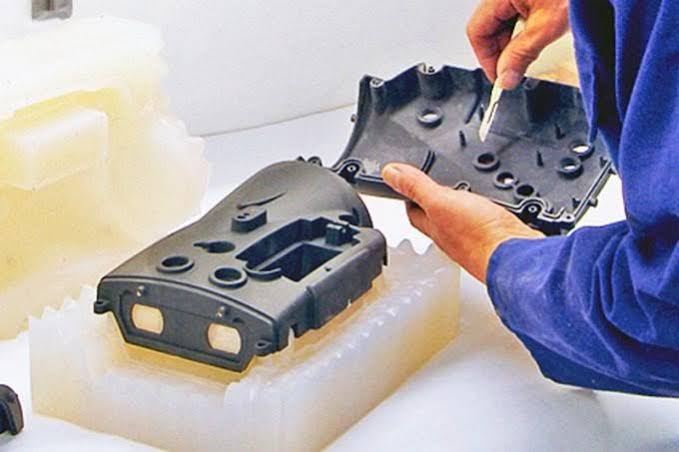
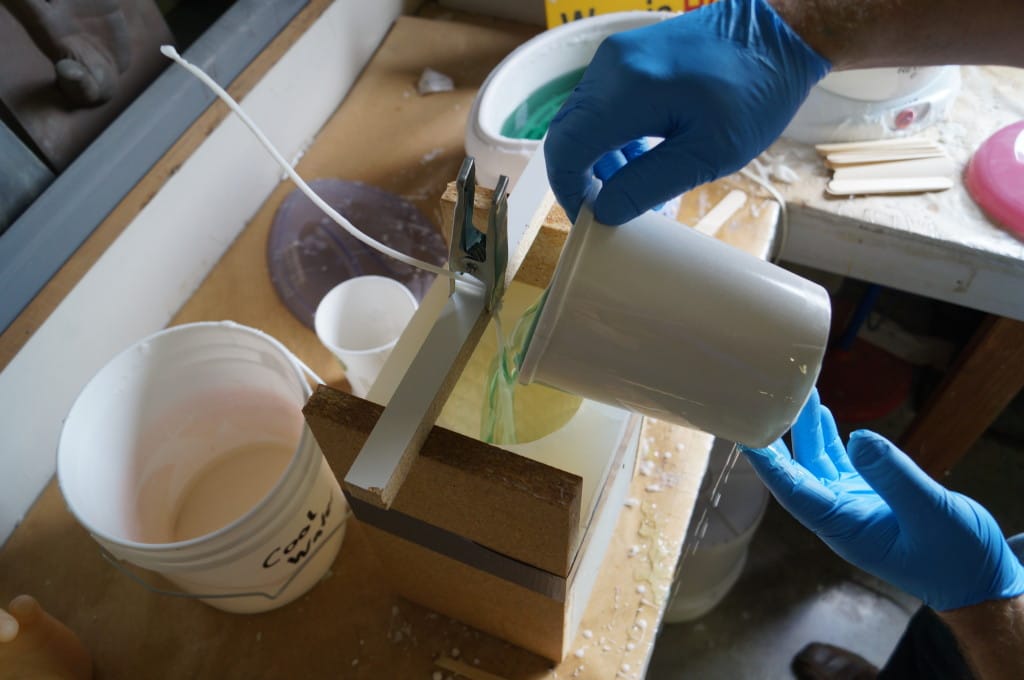
The master model is suspended in a casting box, and liquid silicone rubber is poured around it. Once cured in an oven, the silicone block is cut open along a predetermined parting line, and the master model is removed, leaving a cavity.
Vacuum Resin Casting
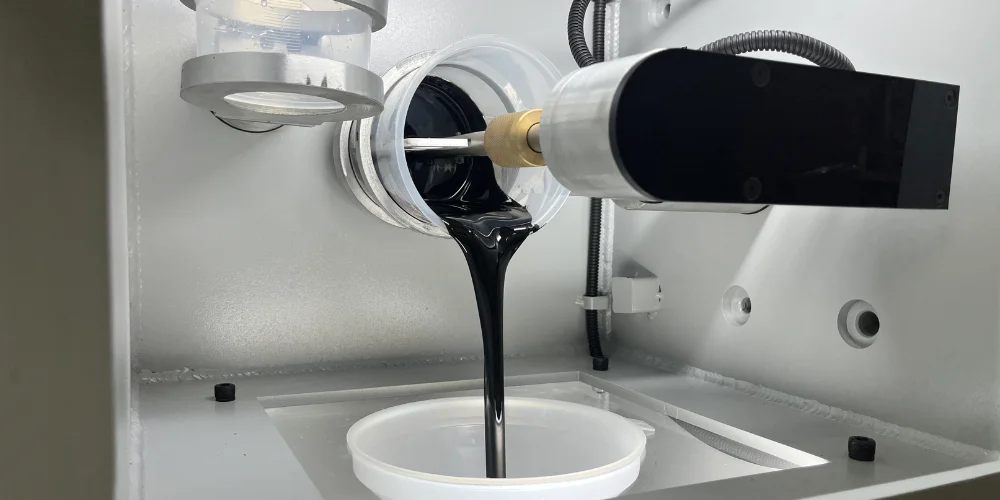
The silicone mold is placed inside a vacuum chamber. Liquid casting resins (two-part polyurethane) are mixed and poured into the mold. The vacuum state pulls the resin into every intricate detail while removing trapped air bubbles.
Curing & Demolding:
The filled mold is cured in a heating oven. Once hardened, the cast part is removed, trimmed (removing sprues and gates), and finished.
Key Advantages
High Precision & Fine Detail: Captures intricate features, sharp edges, and fine surface textures directly from the master model.
Bubble-Free Quality: The vacuum environment prevents air pockets, producing solid, void-free parts.
Cost-Effective for Low Volumes: Saves up to 90% in tooling costs compared to traditional steel or aluminum injection molds.
Fast Turnaround: Silicone molds can be produced in 24–48 hours, enabling rapid prototyping and fast market testing.
Material Versatility: Simulates engineering plastics like ABS, Polycarbonate (PC), Polypropylene (PP), Nylon, and flexible elastomers (rubber/silicone).
Typical Applications
Functional Prototypes: Pre-production testing for fit, form, and mechanical function.
Low-Volume Production: Small batches (10 to 500+ units) for early-stage market launch or niche products.
Visual & Marketing Models: Fully painted and finished prototypes for trade shows, investor demos, and sales presentations.
Overmolding & Insert Molding: Combining soft rubber grips over rigid plastic bases or casting metal inserts directly into parts.